Introduction
This article will take a deep dive into the world of colored stainless steel, its production process, applications, and why it has become a favorite among designers and engineers.
Details
In the fields of architectural design and industrial applications, there is a growing demand for materials that are both aesthetically pleasing and functional. Colored stainless steel plates not only have the traditional advantages of stainless steel, but also add color and visual appeal. Among the most popular ones are 304 colored stainless steel plates and 316 colored stainless steel plates. This article will take a deep dive into the world of colored stainless steel plates, its production process, applications, and why it has become a favorite of designers and engineers.
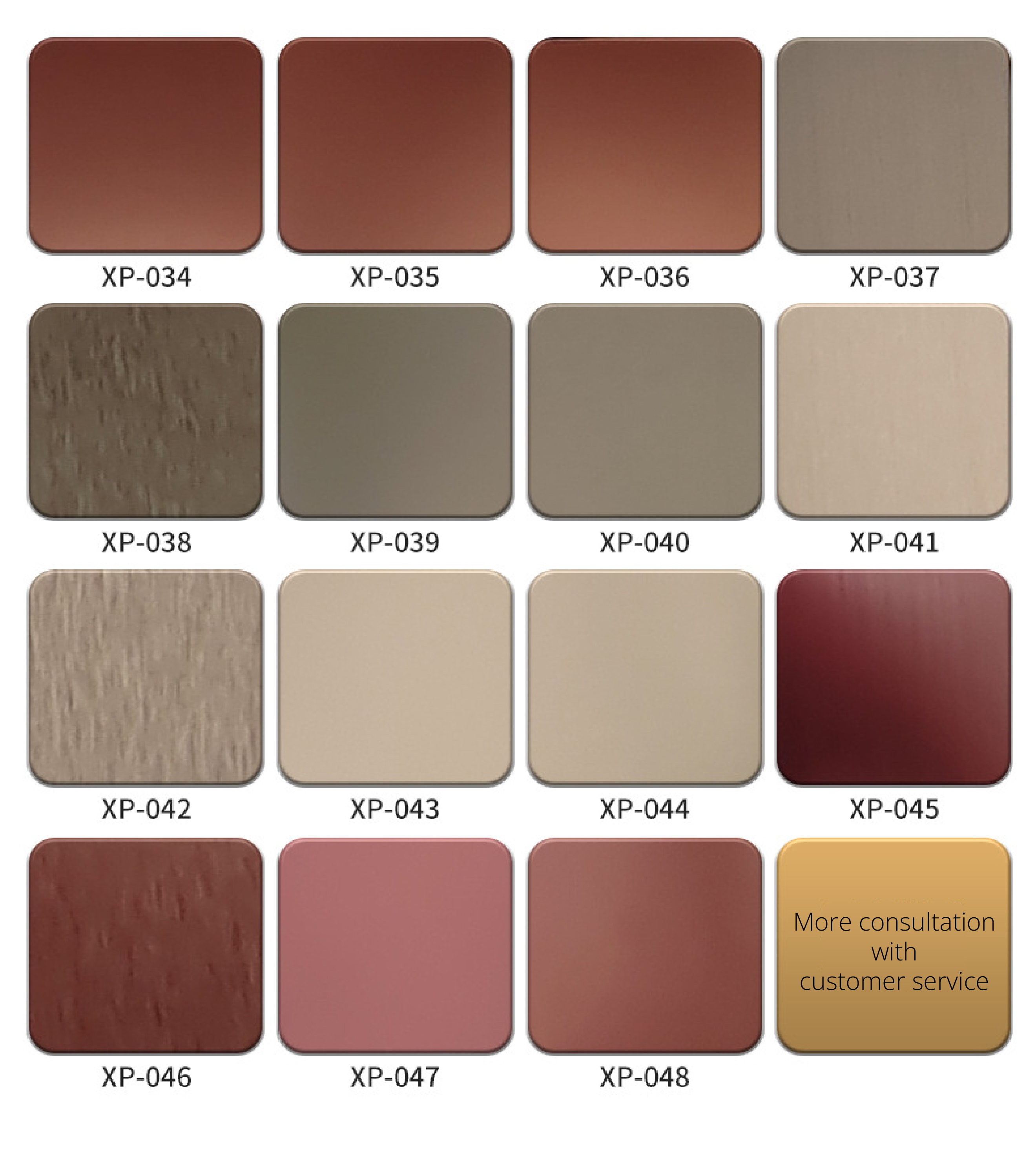
What Makes It Unique:Colored stainless steel plate is created through a specialized process that infuses stainless steel with vibrant colors while maintaining its inherent properties. The color is not just a surface coating; it is integrated into the material, ensuring longevity and durability.Production Process:The coloring of stainless steel plates typically involves processes such as vacuum coating, electroplating, or chemical coloring. These methods deposit a thin layer of color onto the surface of the steel, which is then heat-treated to bond with the metal and create a consistent and uniform color.A Rainbow of Possibilities:Colored stainless steel plates come in a variety of colors, including titanium gold, rose gold, bronze, black, blue, brown, and more. This versatility allows for a variety of design options, with 304 colored stainless steel plates and 316 colored stainless steel plates becoming popular choices across industries.
Applications of Colored Stainless Steel Plate
Architectural Marvels:Architects and designers favor 304 stainless steel plate for its ability to add a unique and modern aesthetic to buildings. It is used for exteriors, cladding, interior decoration, and art installations, providing both visual interest and structural integrity.Interior Design:In interior spaces, 201 colored stainless steel plates are used for wall panels, countertops, backsplashes, and decorative elements. The material's resistance to scratches and stains makes it ideal for high-traffic areas.Transportation and Infrastructure:The durability of 316L colored stainless steel plate makes it suitable for transportation applications, such as the exterior of buses, trains, and marine vessels. It is also used in signage and infrastructure projects where both strength and visual impact are crucial.Industrial Uses:In the industrial sector, 316 colored stainless steel plate is used for equipment and machinery components, offering both corrosion resistance and a distinctive look.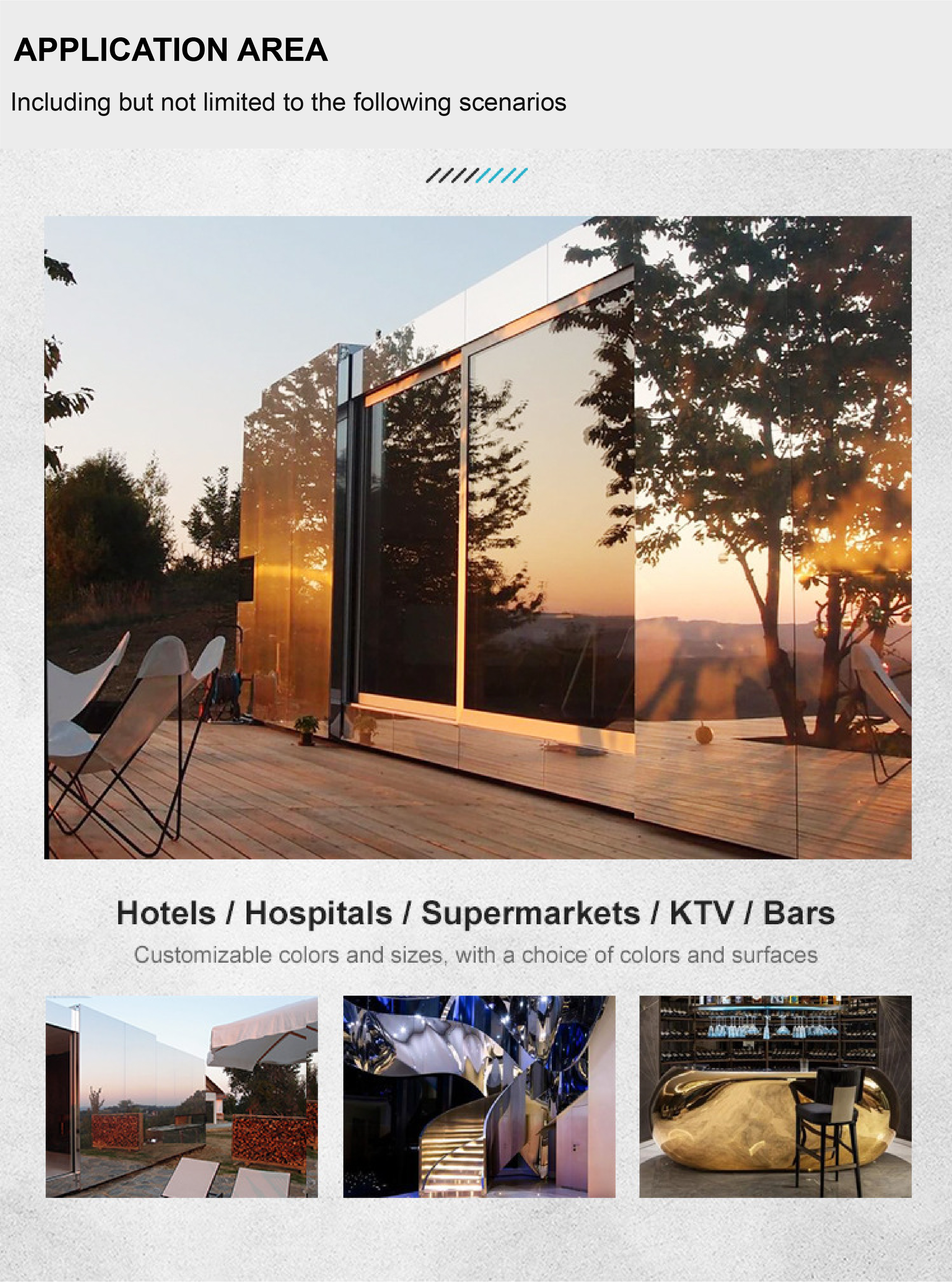
The Advantages of Colored Stainless Steel Plate
Aesthetically Pleasing: The range of colors and finishes provides endless design possibilities.Durable: The material retains the corrosion resistance and strength of traditional stainless steel.Low Maintenance: The colored surface requires minimal upkeep, maintaining its appearance over time.Customizable: Colored stainless steel plates can be cut, formed, and fabricated to meet specific project requirements.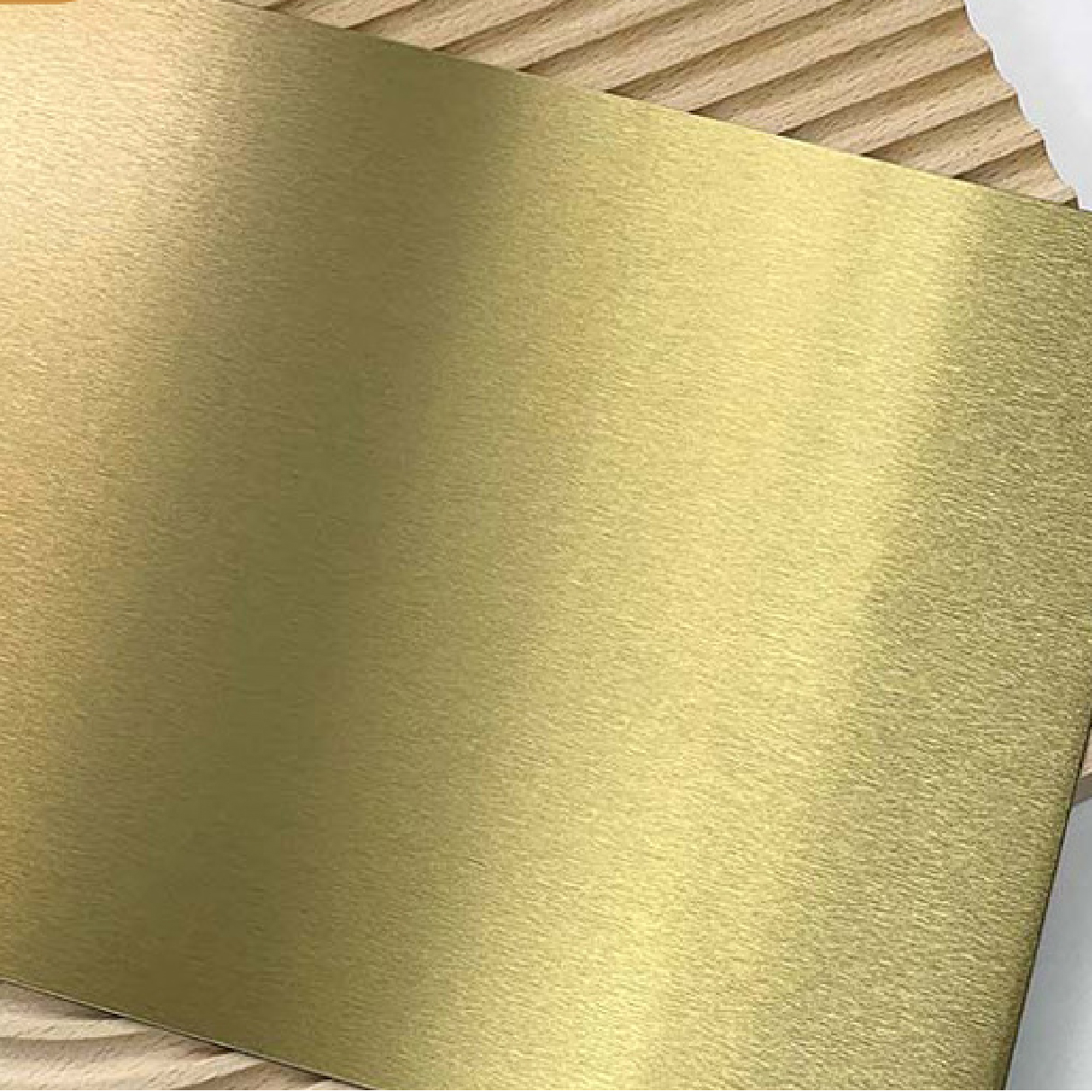
In Conclusion
Colored stainless steel is more than just a material; it is the embodiment of design innovation and durable performance. With its rich colors and the solidity of stainless steel, it perfectly blends form and function. Whether it is architectural grandeur, interior elegance or industrial resilience, colored stainless steel is a material that continues to push the limits of modern architecture and design. Among them, the application of 304 colored stainless steel plate and 316 colored stainless steel plate can be seen everywhere. As the world accepts the beauty and strength of this versatile material, we can expect to see more creative applications in the future.


